November 2, 2019 – On Friday, myself and two friends took a bus to the city of Al-Salt (pronounced and often romanized as As-Salt because of the intricacies of Arabic phonetics), which lies about 30 minutes West of Amman. Until the Twentieth Century, As-Salt was the largest city on the East Bank of the Jordan River. Despite the city’s size and political importance, it is not as old as Amman, with archaeologists estimating As-Salt’s founding around the time of Alexander the Great. Starting in the Sixteenth Century, the Ottomans used As-Salt as a regional capital in Palestine because of its strategic placement along trade routes to and from Nablus and Jerusalem. In 1921, Abdullah I (then the Emir of British Transjordan) chose As-Salt as his capital for a brief period of time. Alas, this was short-lived as Abdullah I moved the capital less than a year later to Amman, which at the time was a small village with a population of about 20,000.
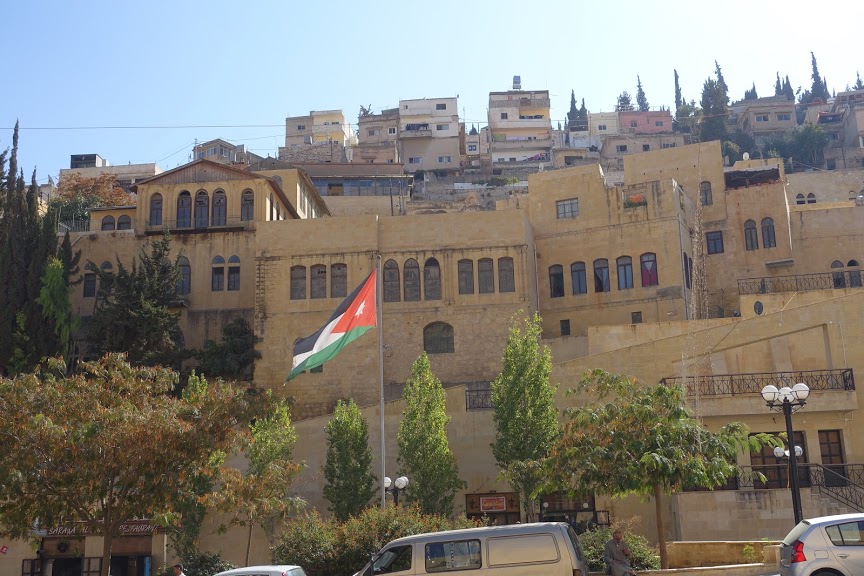
Today, As-Salt still maintains much of its Ottoman heritage in the city’s architecture. Recently, someone told me that Amman is a twentieth-century city, which I didn’t fully understand until I went to As-Salt. To explore, my friends and I followed the city’s Harmony Trail, which highlights As-Salt’s “cultural, religious, and architectural harmony.”
The trail begins where all journeys in As-Salt must begin: the Abu Jaber House. Beit Abu Jaber is one of the largest Ottoman-era homes in As-Salt. The multi-floor mansion now serves as the As-Salt history museum. It was here I learned that not many tourists visit As-Salt. This hidden gem is often eclipsed by larger attractions such as Petra and Aqaba.
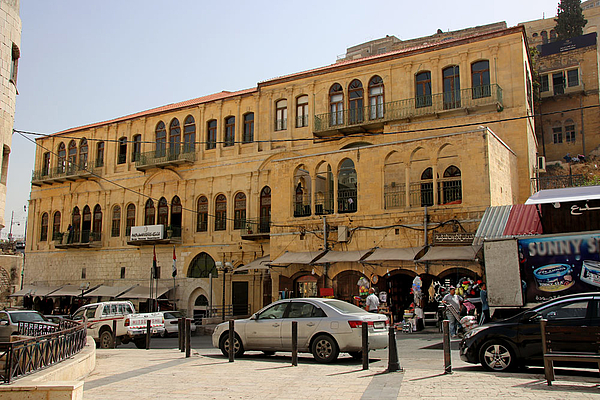
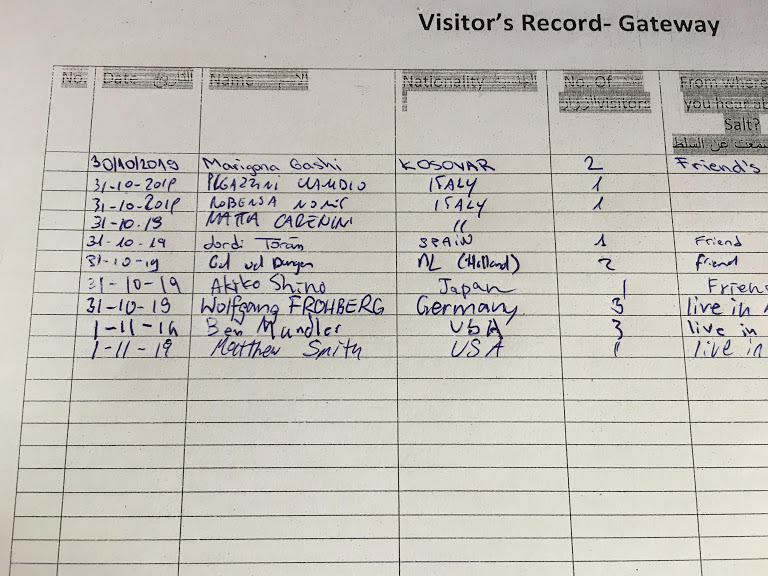
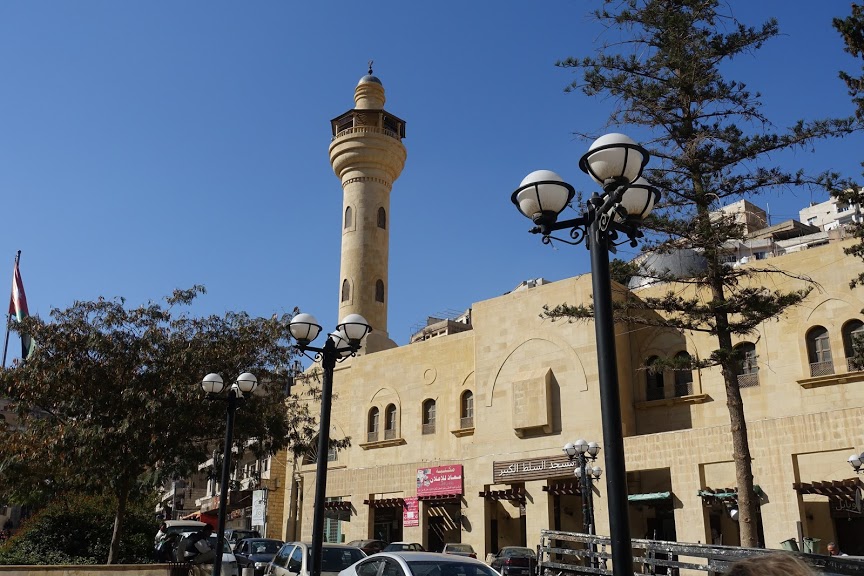
After the Abu Jaber house, the next stop was the Grand Mosque of As-Salt and As-Salt Plaza. I enjoyed the architecture around and the life in the Plaza more than the Grand Mosque.
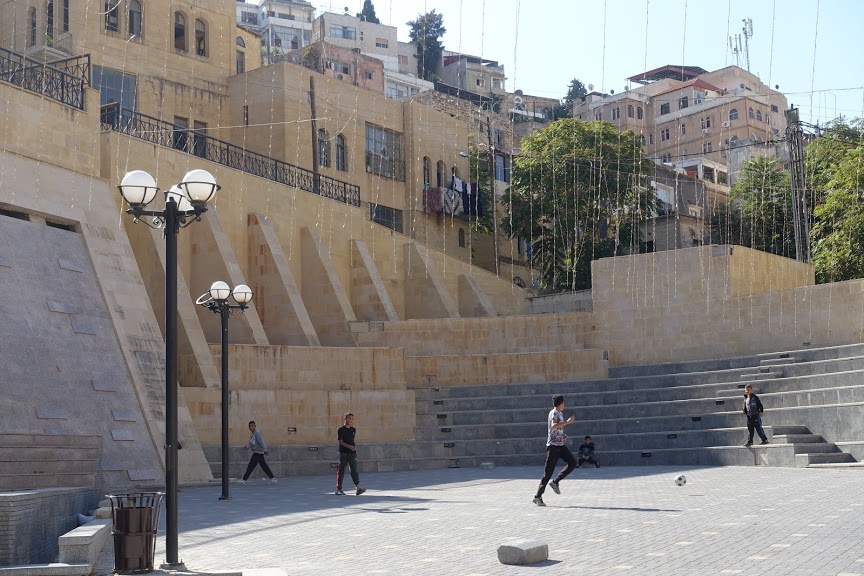
The people of As-Salt are quite friendly. Being friendly and welcoming is not uncommon in Arab culture, but the residents of As-Salt were very friendly. As we journeyed through narrow streets and rocky sidewalks, we were constantly greeted with shouts of “Hello!” “How are you?!” “Welcome to Salt!” “Are you lost?” from passersby on the street or, occasionally, from the window of passing car.
I was truly captured by As-Salt’s narrow, historic streets. As we walked from one location to the next, we would stop a few times just to admire the street and adjacent architecture.
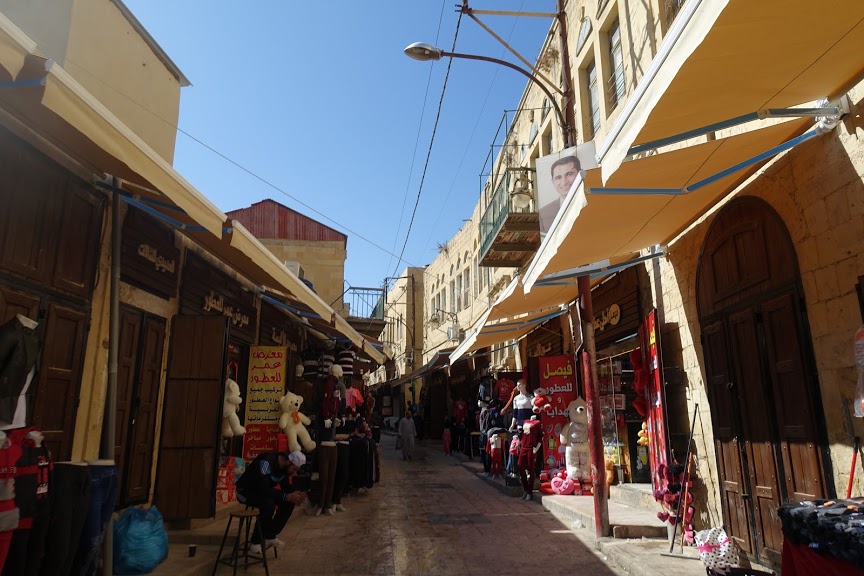
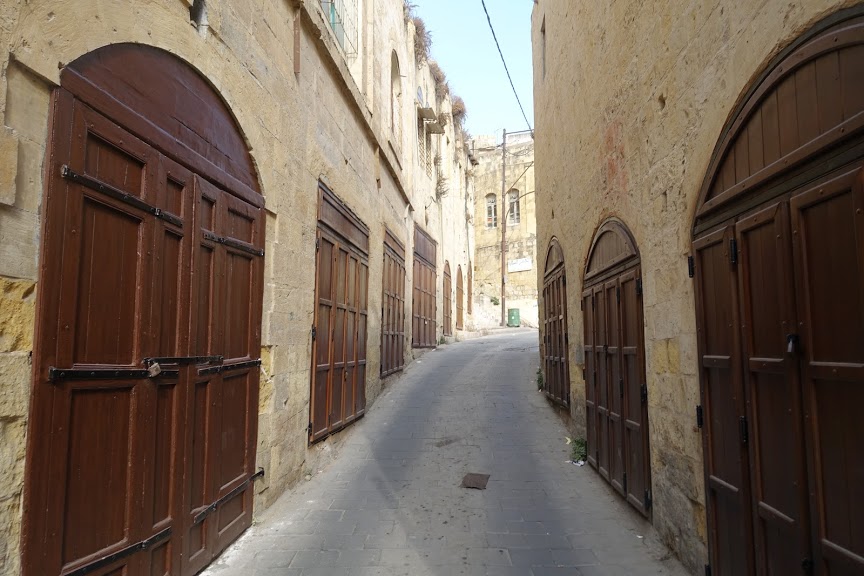
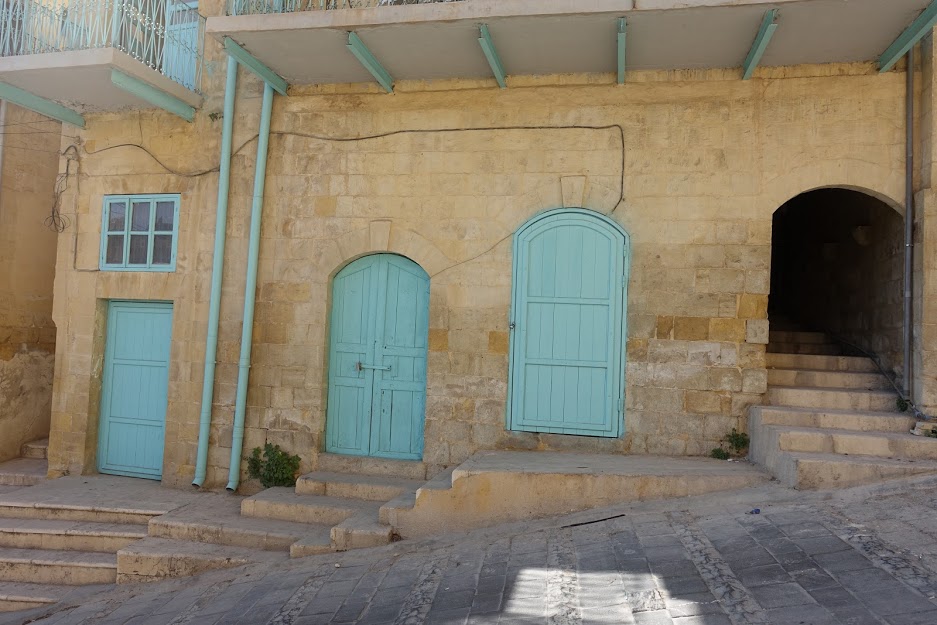
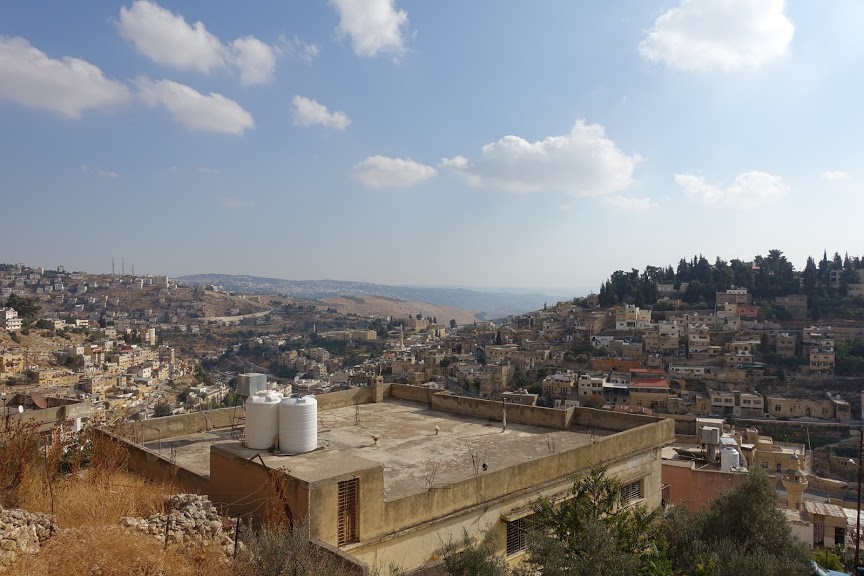
Our one of goal of the day was to reach the Al-Qala’a Lookout at the top of the highest hill in As-Salt. This involves hiking up several sets of uneven stairs from the main street of As-Salt. On this particularly warm November day, we took a break about halfway to the top, where we spent 10 minutes talking to some kids who were very excited to tell us their names and ages in English. From the Lookout, the sandy colored houses of As-Salt looked like small blocks stacked one on top of another. On clear days, it’s possible to see all the way to the West Bank, as As-Salt is only 35 miles from Jerusalem and 25 miles from Nablus.
On our way home, we decided that, with the remaining 6 weeks we have in Amman, we want make different day trips to places we still have not visited in Jordan. As the weather becomes colder, I realize that my time in Amman is growing short, but I plan to fill the next 6 weeks with as many adventures as possible.
-Matt
 Reports and Reflections from Life Abroad