October 21, 2019 – I didn’t tell many people that the second half of my fall break would be spent in Beirut, Lebanon because I didn’t want people to worry. For many people of an older generation, talking about Lebanon revives memories of Tom Brokaw, Peter Jennings, and Dan Rather reporting about the civil war that devastated the country throughout most of the late twentieth and early twenty-first century. This often restrains people from traveling to Lebanon, and thus they miss out on much of its beauty.
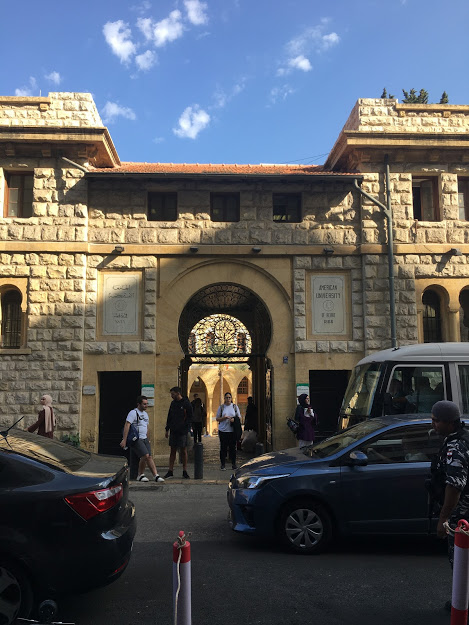
We used our first day in Lebanon to explore Beirut. To be completely honest, it would be a great folly if I attempted to describe Beirut’s beauty with my words. The architecture the city leaves you truly speechless. Unlike most post-colonial states, Lebanon (once the French mandate of Lebanon) embraces its history with the French and blends it with Arab traditions to make something truly unique.
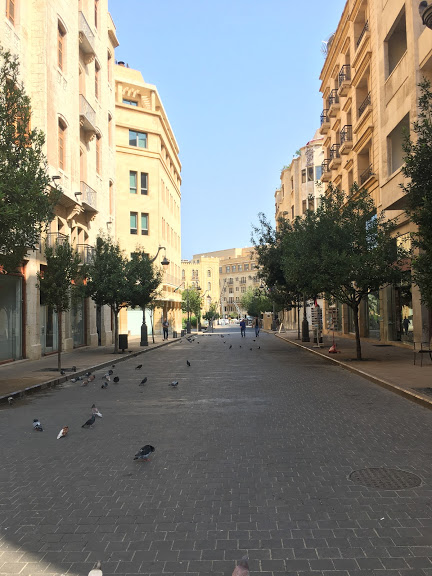
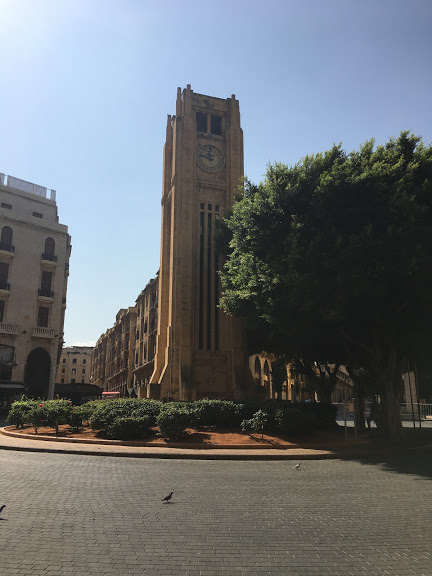
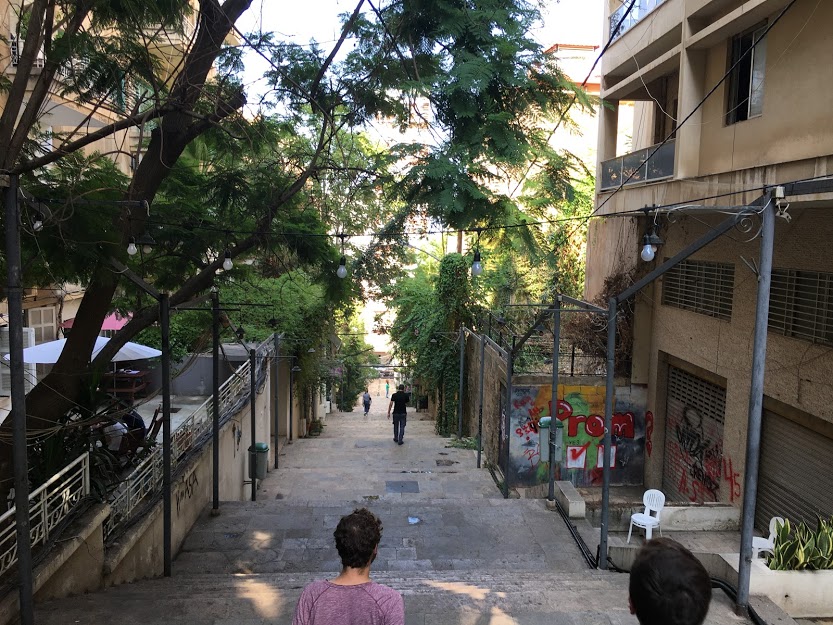
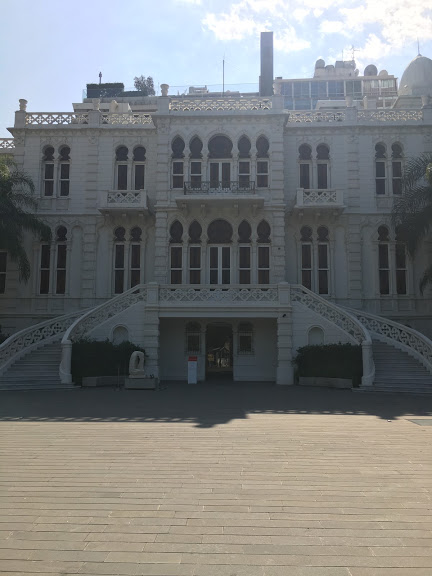
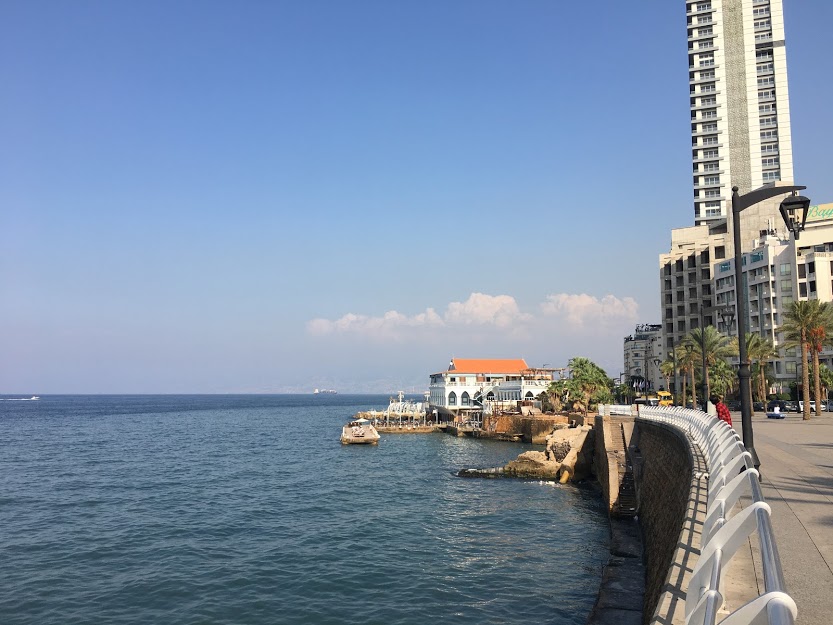
While the architecture was amazing, the city buzzing with life as people went about their daily commute, we ventured out of downtown back to our home neighborhood of Hamra to walk along the Mediterranean. While walking out of downtown, the Francophone vibe changes to something similar to South Beach, as large hotels filled with tourists from Europe loom over the coast. Yet, the views of Beirut on the water still take your breath away. It’s almost as if the Mediterranean itself commands a reverent silence, so you can fully appreciate the moment you’re in.
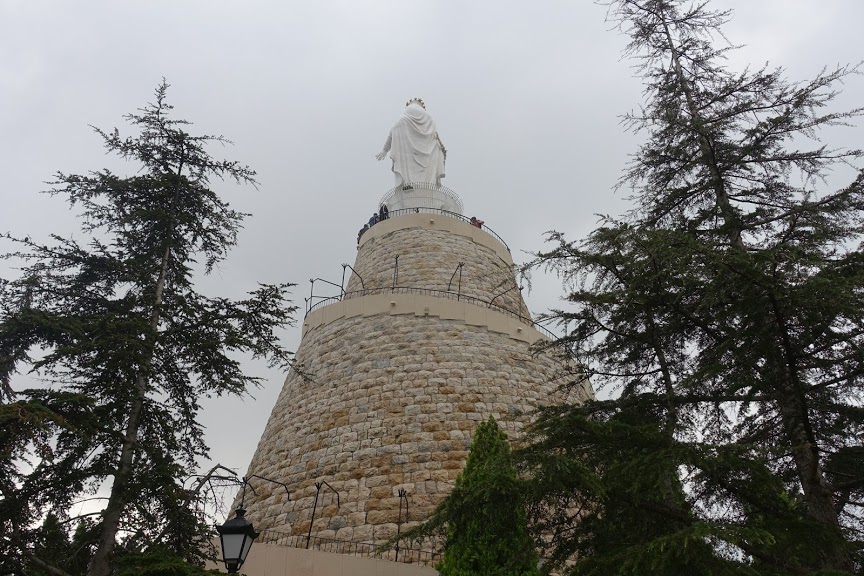
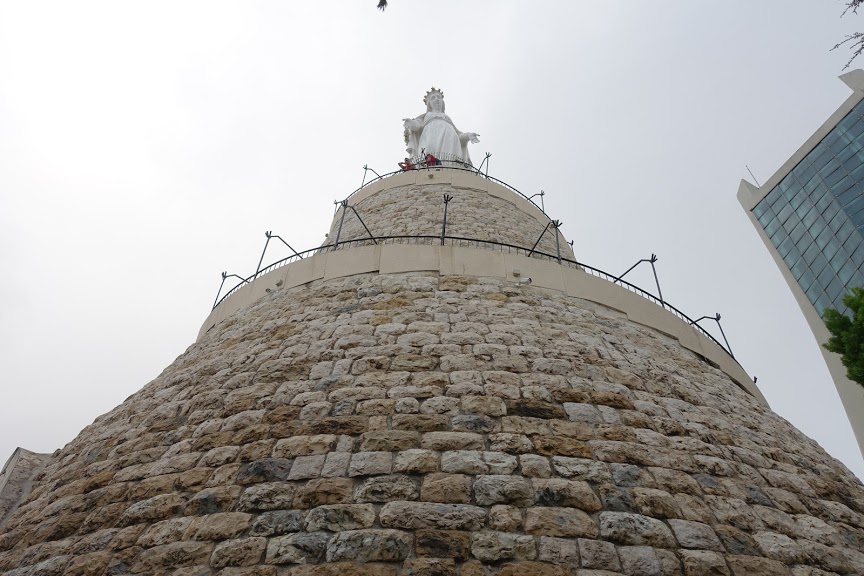
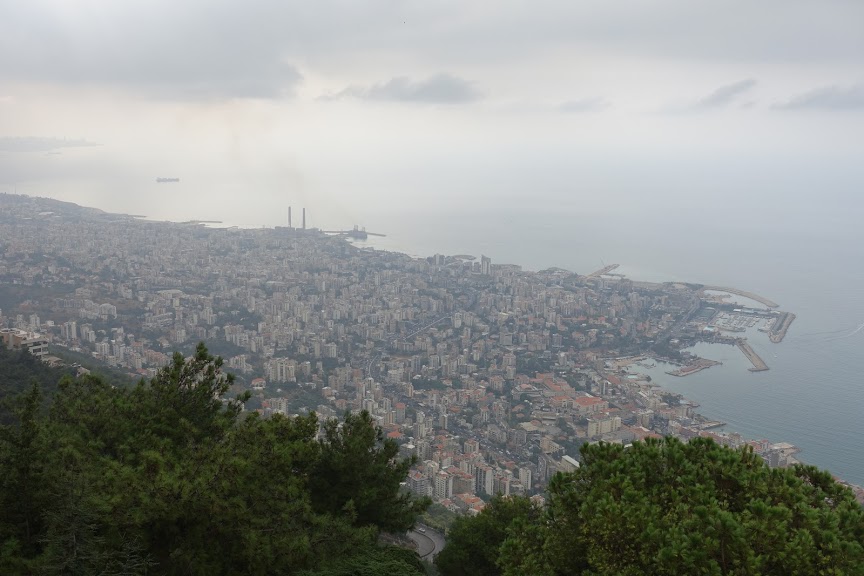
The following day we ventured to Harissa to visit the shrine of Our Lady of Lebanon. Our Lady of Lebanon is a Christ the Redeemer-esque statue of the Virgin Mary that overlooks the city beneath it. The site is maintained by the Maronite Catholics of Lebanon (the country’s largest sect of Christianity). It’s a tad bit of a climb to the statue, but it was absolutely worth it to see this landmark.
Despite the beautiful sites, one cannot forget about Lebanon’s tumultuous history. Lebanon was devastated by a civil war between 1975 and 1990 that destroyed, divided, and weakened the nation. After the civil war, Prime Minister Rafik Hariri put the country on a path to recovery, restoring downtown Beirut with many of the sites that remain there today, while the Syrian military occupied most of the country after becoming involved in the civil war in 1976. In 2005, Hariri was assassinated in Beirut. An investigation by the UN claims the assassination could be linked to the Syrian government and Bashar al-Assad, as Syria would have benefited from a weak-Lebanese state and grew concerned with Hariri’s recovery plans. The assassination triggered a brief period of violence again with the Cedar Revolution, which forced the Syrian military to withdraw from Lebanon.
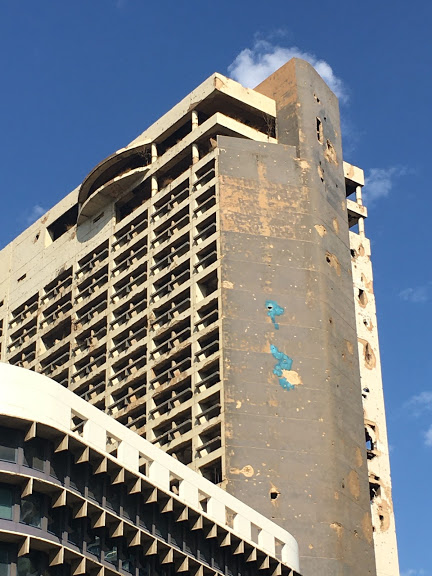
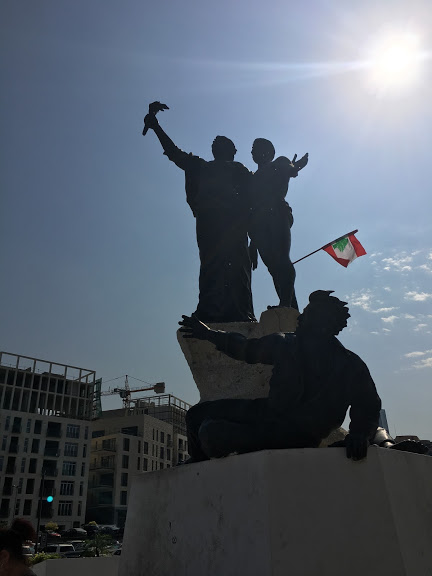
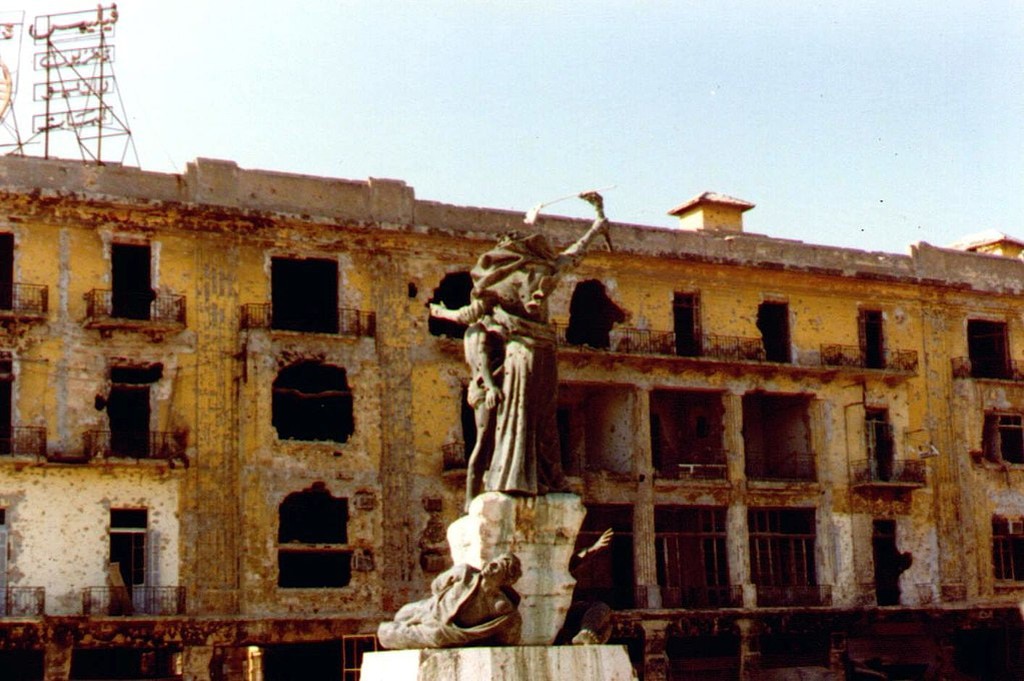
Lebanon purposely leaves reminders of the civil war standing around the country. In Beirut, two of the most famous reminders are the old Holiday Inn and Martyr’s Square.
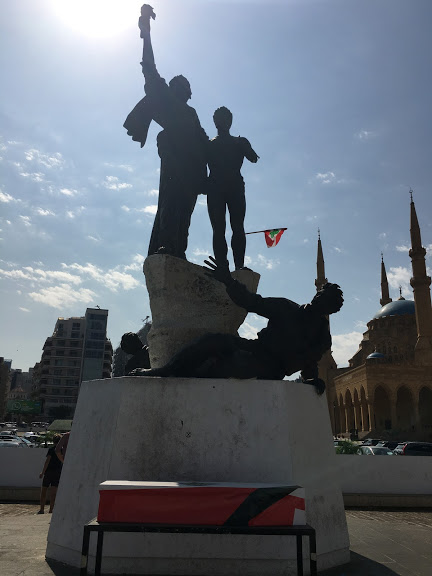
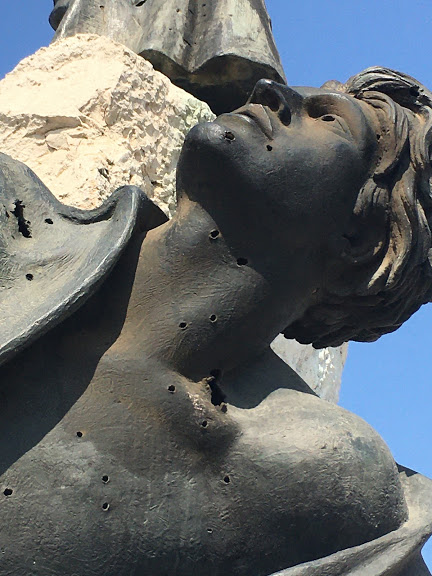
Martyr’s Square is my favorite monument in Beirut because of it’s history and harrowing solemnity. The monument stands on the spot where the Ottomans performed public hangings of Lebanese revolutionaries during the Great Arab Revolt. In 1931, the square was officially renamed Martyr’s Square as a memorial to those executed on the spot. During the civil war, the square served as the border between East and West Beirut, each controlled by different militias. The statue that sits at the center of the square was partially destroyed in 1982, but restore by Prime Minister Hariri during the restoration of Beirut. Today, the square is the location for most protests that occur in Beirut.
Source: Wikimedia Commons
By the end of my travels, I realized something. Sitting at gate 19 of Rafik Hariri International Airport, waiting for my flight back to Amman that had been delayed for 3 hours, I thought to myself “I just want to go home.” By home, I didn’t mean the Moscow or Elizabethtown, I wanted to go back to Amman. I didn’t realize how much Amman has come to feel like home until yesterday. After classes, I was waiting for my Uber, and, as I sat on the sidewalk, I felt calm. I didn’t have the same anxieties of being in a new place and constantly aware of what’s going on around me like in Beirut or Oman. Amman felt comfortable. Amman felt like home, and I’m so happy to be back home.
Thanks for reading.
-Matt
 Reports and Reflections from Life Abroad