August 29, 2019 – What do you do when the stones you’re walking on contain 3,500 years of history? This is the thought I had while touring ancient Amman this week. The tour began with a trip to the Amman Citadel. The Citadel is considered the center of the city of Amman, and you can see why when you are there. From atop it’s proud perch, you get a completely panoramic view of the city and the original 7 hills it was built on (Amman was the city of 7 hills long before Rome!). One of my friends expressed his amazement at the view, commenting that it the city sprawls all the way to the horizon 360 degrees around you. Amman seems much bigger than New York from atop the Citadel.
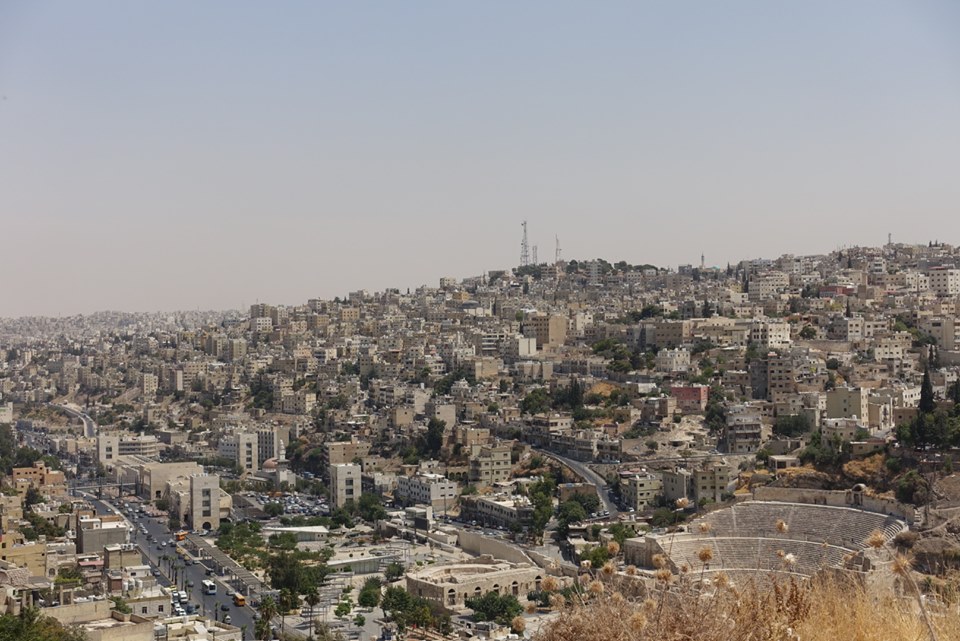
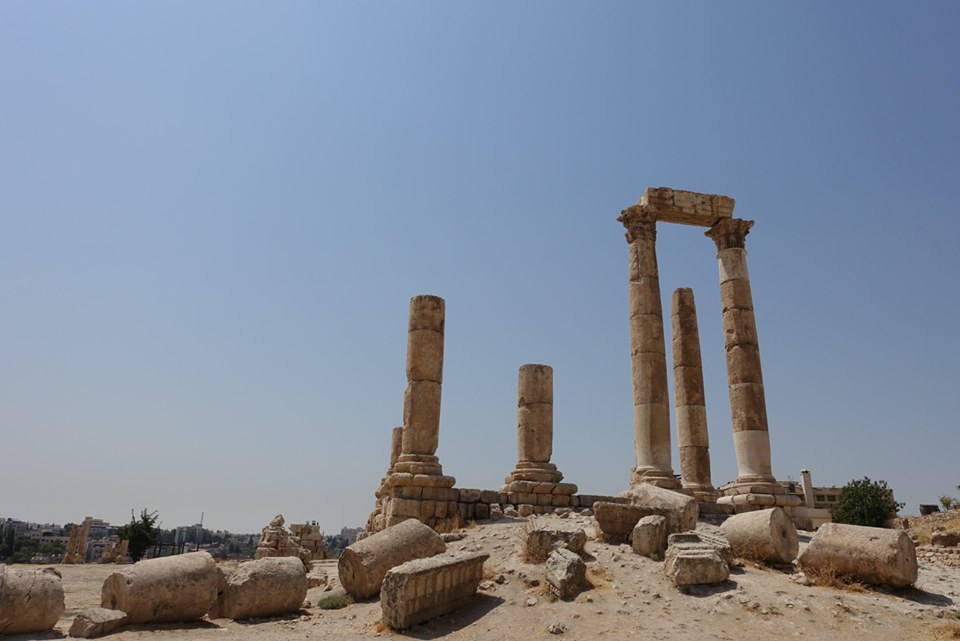
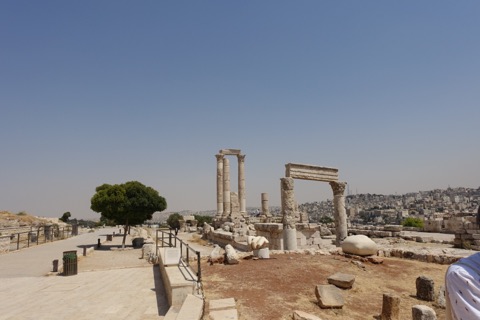
The Citadel’s history stretches all the way back to Neolithic times. One of the first major references to the Citadel and the city is in the Hebrew Bible (then called Rabbath-Ammon), serving as the capital of the Ammonites. Throughout history, Amman has been controlled by many civilizations: the Ammonites, Assyria, Persia, Greece, Rome, Byzantium, the Umayyad and Abbasid Caliphates, and many more. To this day, there are still remnants of these civilizations in the Amman Citadel. The Temple of Hercules was built in the second century CE by Governor Geminius Marcianus. The lavish Temple dedicated to the mythical hero contained a 13 meter high statue of Hercules, a colossal work of art for its time, but now all that remains are Herc’s massive fingers and elbow.
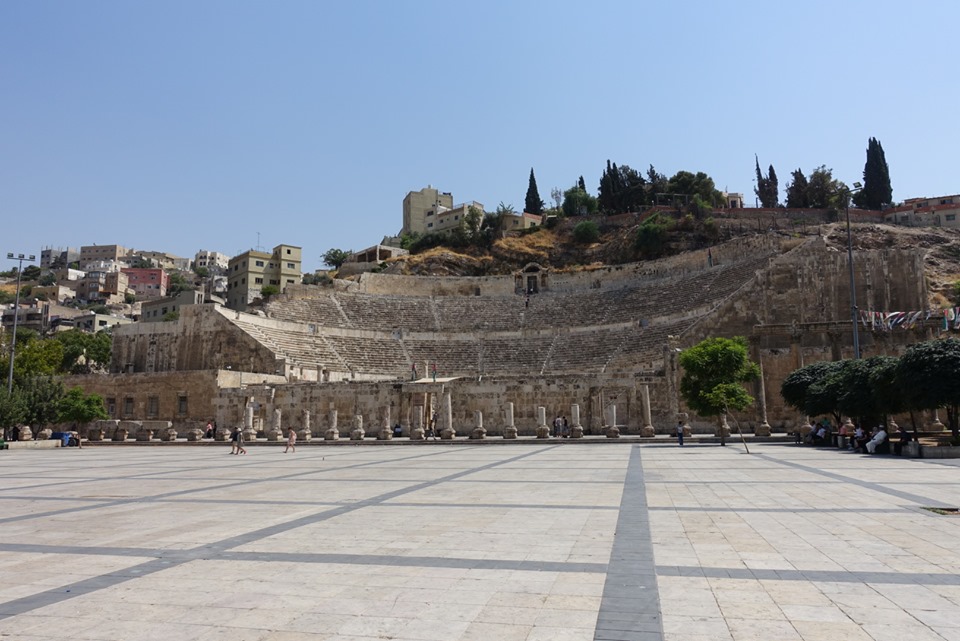
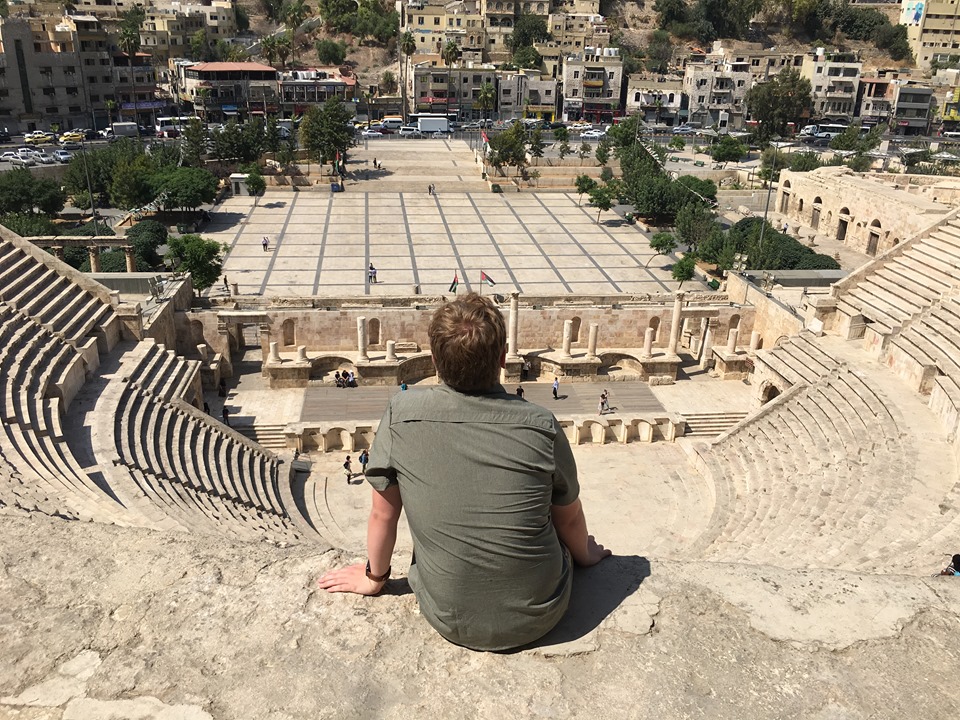
Beyond the Citadel lies the old Roman Amphitheater (built around the same time as the Temple of Hercules). Amman’s Amphitheater is truly an awe-inspiring structure. Climbing the marble steps all the way to the top row brought back memories of climbing Table Mountain with its uneven, uphill trails. Despite being almost 18 centuries old, the Amphitheater is still used as a summer concert venue!
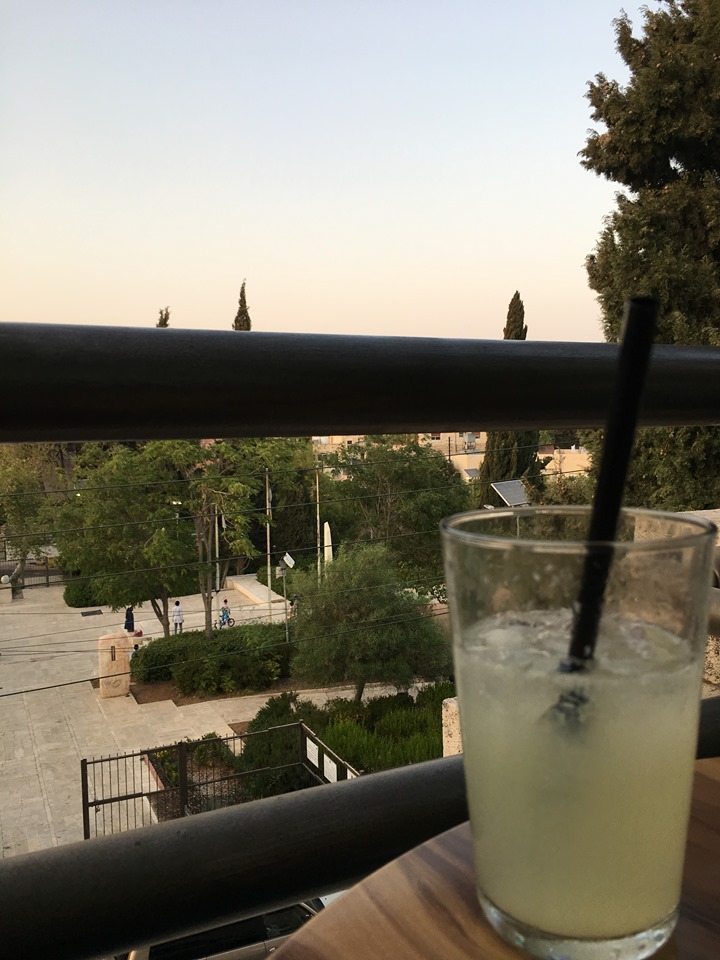
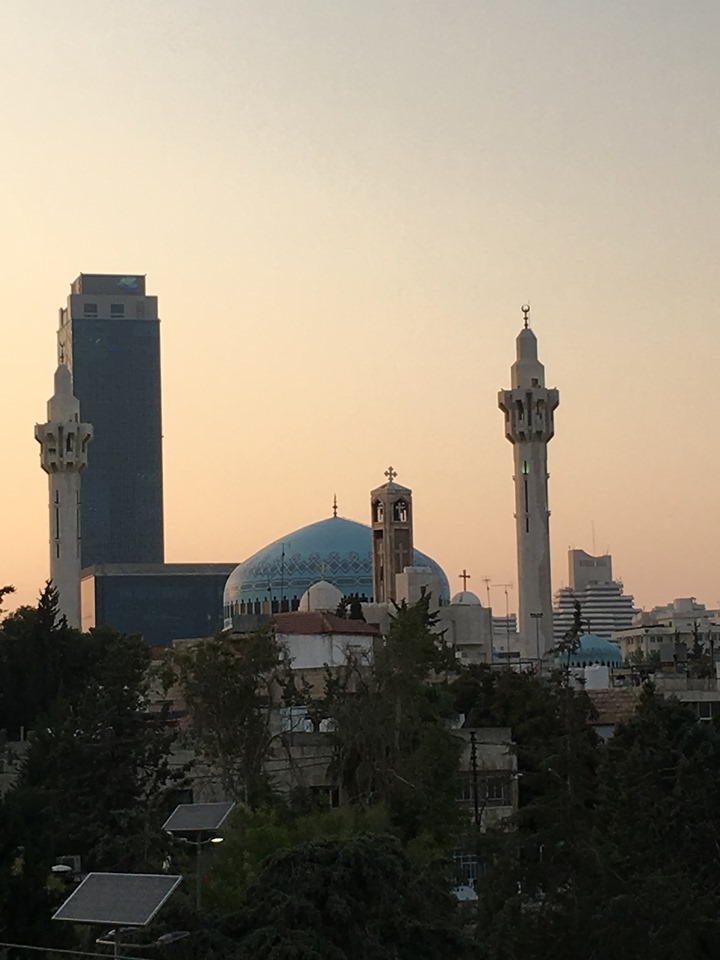
Juxtaposed with the city’s ancient history is a vibrant modern society with lots of cafés, museums, parks, and shops. One of my favorite spots is the Jungle Fever Coffee and Tea House in my neighborhood of Weibdeh. The cafe is on the top floor of the Jordan National Gallery of Fine Arts and overlooks a small park where people like to hang out and watch shows in the evenings. The outdoor seating has a great view of the neighborhood and the Great Mosque of King Abdullah I.
Tomorrow starts the weekend (in most of the Arab World the Weekend is Friday/Saturday) and my friends and I plan on going to the سوق (“Souq” – an open air market where goods are sold; similar to a flea market). Stay tuned for more updates from الأردن!
– Matt
 Reports and Reflections from Life Abroad